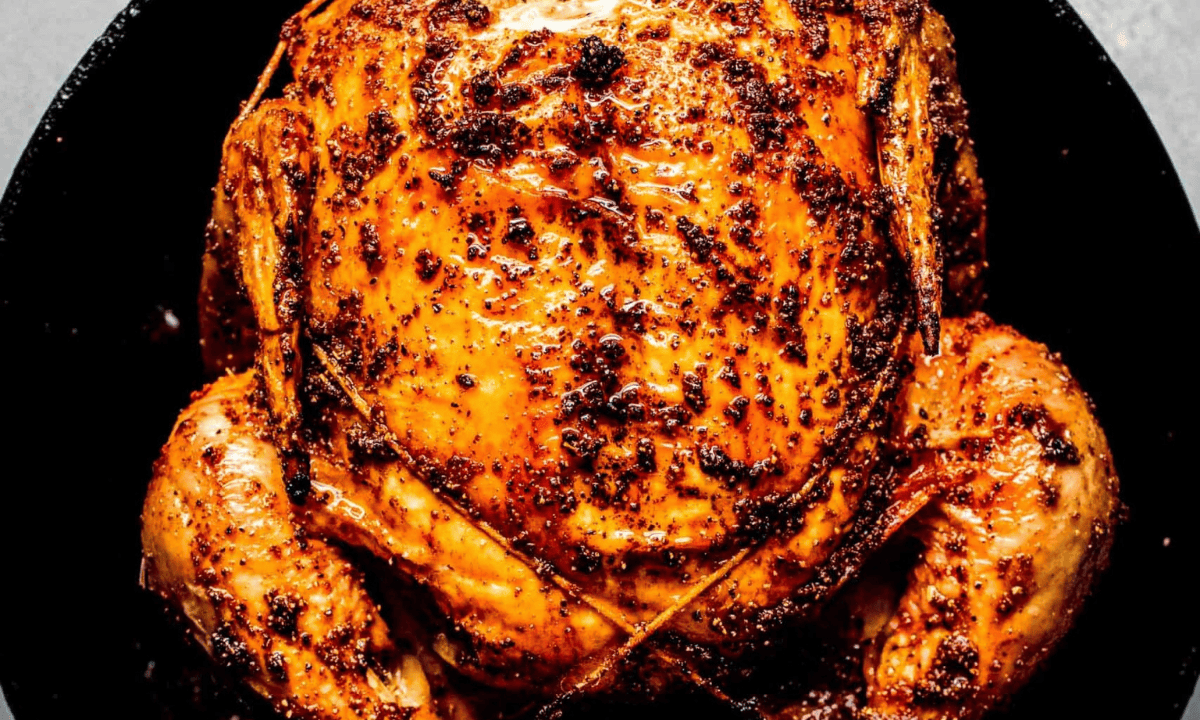
Unlock the Secret to Perfect Crispy Skin Roast Chicken
There's something undeniably comforting and impressive about a perfectly Easy Juicy Roasted Chicken: Your Guide to a Perfect Dinner. The golden-brown, crackling skin, the tender, succulent meat, and the rich aroma that fills your kitchen – it’s a culinary masterpiece that never fails to delight. While it might seem like a dish reserved for seasoned chefs, achieving that coveted crispy skin and juicy interior is surprisingly simple with the right techniques. Whether you're a beginner cook or an experienced home chef, this guide will equip you with expert tips to transform a humble whole chicken into a flavorful, show-stopping meal.
From choosing the right bird to mastering oven temperatures and clever seasoning tricks, we'll delve into the foundational steps and advanced insights that make all the difference. Get ready to impress your family and friends with a roasted chicken that tastes just like grandma used to make – perhaps even better!
The Foundation: Ingredients and Preparation for Success
The journey to a truly magnificent Mastering Whole Roasted Chicken: From Simple Seasoning to Delicious begins long before it ever touches the oven. Paying attention to these initial steps ensures a flavorful and juicy result every time.
Selecting and Preparing Your Chicken
- Choose Wisely: Start with a high-quality whole chicken. A 3-pound bird is an excellent size for even cooking and serving 2-4 people. If your chicken is larger or smaller, remember to adjust your cooking time accordingly.
- The Golden Rule for Crispy Skin: Dryness is Key! This is perhaps the most critical step for achieving that irresistible crackling skin. Use paper towels to thoroughly pat the chicken dry, both inside and out. Any residual moisture will steam the skin instead of allowing it to crisp up. Think of it like a perfectly seared steak – dry surfaces brown better.
Essential Seasonings and Flavor Boosters
Simplicity often yields the best results. Our recipe focuses on enhancing the chicken's natural flavors with a few key ingredients:
- Salt, Black Pepper, and Onion Powder: These form the holy trinity of basic seasoning. Don't be shy with the salt; it's crucial for flavor penetration and helping the skin crisp. Nicole McLaughlin, a culinary producer known as NicoleMcMom, emphasizes seasoning the inside as well as the outside – a vital step many often overlook.
- Butter: The Moisture & Flavor Lock: Butter not only adds incredible richness but also helps the seasonings adhere to the chicken. For an extra layer of flavor and moisture directly under the skin, gently loosen the skin over the breast and thighs and rub softened butter directly onto the meat before seasoning. This also helps create that beautiful golden-brown crust.
- Celery for Subtle Aromatics: Stuffing the chicken cavity with a few stalks of celery provides a subtle vegetal flavor and releases additional moisture as the chicken cooks, contributing to a juicier bird. You can also experiment with other aromatics like halved lemons, garlic cloves, or fresh herbs such as rosemary and thyme for added complexity.
Mastering the Roast: Techniques for Crispy Skin and Juiciness
Once your chicken is prepped and seasoned, it's time to put it in the oven. The cooking method significantly impacts both the crispness of the skin and the juiciness of the meat.
Oven Temperature: The Crispy vs. Juicy Debate
There are varying philosophies on ideal roasting temperatures, each with its merits:
- Lower & Slower (e.g., 350°F): Roasting at a moderate temperature for a longer period (around 1 hour for a 3-pound bird) generally results in a very tender and juicy interior. It's a reliable method, particularly for beginners.
- Higher & Faster (e.g., 425°F): Nicole McLaughlin prefers a higher temperature (425°F or 220°C) for a shorter time (50-60 minutes) to achieve crispier skin. The intense heat quickly renders the fat in the skin, turning it golden and crackling.
- The Hybrid Approach (Our Expert Tip): For the best of both worlds – ultra-crispy skin and a remarkably juicy interior – consider starting your Mastering Whole Roasted Chicken: From Simple Seasoning to Delicious at a high temperature (425°F) for the first 15-20 minutes, then reducing it to a moderate 375°F for the remainder of the cooking time. This initial blast of heat kick-starts the browning and crisping process, while the lower temperature ensures even cooking without drying out the meat.
Smart Roasting Set-Up and Protection
- Pan Choice: You don't necessarily need a fancy roasting pan. Nicole suggests using a simple baking sheet with a rack placed on top. This setup allows air to circulate all around the chicken, promoting even cooking and contributing to that all-important crispy skin. Avoid roasting directly on a flat pan as the bottom can become soggy.
- Protecting the Wings: Chicken wings are prone to burning due to their slender nature. To prevent this, simply tuck the wing tips underneath the bird before placing it in the oven. This shields them from direct heat and ensures they cook evenly with the rest of the chicken.
Knowing When It's Done: The Crucial Test
Guesswork leads to either undercooked or overcooked chicken. Always rely on a trusty instant-read thermometer:
- Insert the thermometer into the thickest part of the thigh, making sure it doesn't touch the bone. The internal temperature should read 165°F (74°C).
- Other visual cues include juices running clear when you pierce the thigh and no pink meat visible near the bone.
The Essential Rest Period
Once the chicken reaches its target temperature, resist the urge to carve it immediately. Transfer the chicken to a cutting board, tent it loosely with foil, and allow it to rest for 10-15 minutes. This crucial step allows the juices to redistribute throughout the meat, ensuring every bite is incredibly tender and moist. Skipping this step often results in juices running out onto the board, leaving you with a drier chicken.
Beyond the Basics: Flavor Enhancements and Serving Suggestions
While a simply seasoned Easy Juicy Roasted Chicken: Your Guide to a Perfect Dinner is delightful, there are countless ways to elevate your meal and make it your own.
Enhancing Flavor with Herbs and Aromatics
Don't stop at salt, pepper, and onion powder. Consider:
- Fresh Herbs: Rosemary, thyme, and sage are classic companions to chicken. Tuck sprigs under the skin, inside the cavity, or scatter them around the pan.
- Garlic & Lemon: Halved lemons and whole garlic cloves can be placed in the cavity or alongside the chicken in the roasting pan, infusing the meat with bright, zesty, and aromatic notes.
The Joy of One-Pan Roasting with Vegetables
Transform your roasted chicken into a complete meal by adding hearty vegetables directly to the roasting pan. As the chicken cooks, its rendered fat and flavorful juices drip onto the vegetables, creating incredibly rich and caramelized side dishes. Excellent choices include:
- Potatoes (quartered or diced)
- Carrots (chunky pieces)
- Onions (wedges)
- Brussels sprouts
- Root vegetables like parsnips or sweet potatoes
Toss the vegetables with a little olive oil, salt, pepper, and perhaps some of those fresh herbs, then spread them around the chicken about 30-45 minutes into the cooking process, ensuring they absorb all the delicious drippings.
Making the Most of Pan Drippings
The flavorful liquid and browned bits left in your roasting pan are pure gold! Use them to make a quick and delicious pan sauce or gravy. Simply deglaze the pan with a splash of wine or chicken broth, scrape up any stuck-on bits, thicken slightly with a cornstarch slurry, and season to taste. It’s the perfect accompaniment to your juicy chicken.
Storing and Reheating Leftovers
Should you be lucky enough to have any leftover roasted chicken, allow it to cool completely before storing it in an airtight container in the refrigerator for up to four days. Reheat thoroughly in the oven (for best texture) or microwave. Leftovers are fantastic in sandwiches, salads, quesadillas, or even for making a quick chicken stock.
Conclusion: Your Path to Roast Chicken Perfection
Achieving a flavorful, juicy Easy Juicy Roasted Chicken: Your Guide to a Perfect Dinner with irresistible crispy skin is not a culinary enigma. It's a series of simple, deliberate steps: starting with a dry bird, seasoning generously inside and out, utilizing butter for flavor and moisture, managing your oven temperature effectively, and most importantly, using an instant-read thermometer and allowing the chicken to rest. With these expert tips, you're now equipped to turn an everyday whole chicken into an extraordinary meal that will earn you rave reviews. So, go ahead, preheat that oven, and prepare to create a truly delicious, memorable dinner tonight!
