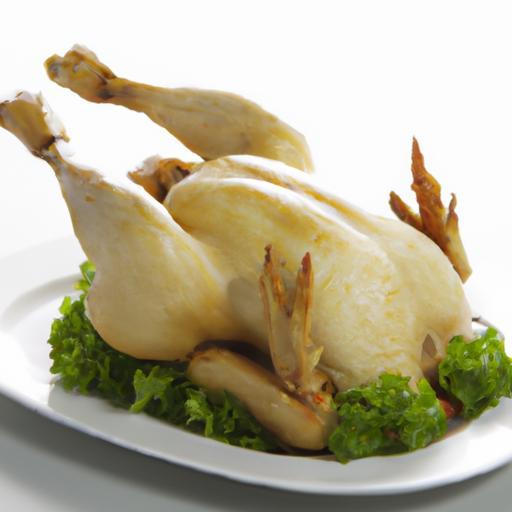
Mastering Whole Roasted Chicken: From Simple Seasoning to Delicious
There are few aromas as comforting and inviting as a whole roasted chicken emerging golden-brown from the oven. It's a culinary triumph that looks impressive enough for a special occasion, yet is surprisingly simple to achieve, making it a perfect dish for both novice cooks and seasoned pros. This guide will take you through the essentials, from selecting your bird and perfecting your seasoning to mastering various roasting techniques and even elevating your meal with complementary vegetables. Get ready to transform a humble chicken into a succulent, flavorful centerpiece that evokes the best of home cooking.
The Foundation: Essential Ingredients and Preparation Secrets
The journey to a truly exceptional roasted chicken begins with a few key ingredients and some foundational preparation steps. You don't need a pantry full of exotic spices to create magic; often, simplicity reigns supreme.
- The Chicken: A 3-pound whole chicken is a common starting point, offering a good balance of cooking time and yield. However, don't be afraid to adjust if your bird is larger or smaller, as cooking times will need to be adapted accordingly. Look for a fresh, healthy-looking chicken from a reputable source.
- Seasonings: While you can explore endless flavor profiles, the essence of a delicious roasted chicken lies in basic, high-quality seasonings. Salt, freshly ground black pepper, and a touch of onion powder are a classic trio that allows the chicken's natural flavors to shine. Don't underestimate the power of these staples to bring out the best in your bird.
- The Magic of Butter: Butter isn't just for flavor; it's a crucial component for achieving that coveted juicy interior and golden exterior. It helps lock in moisture and provides an excellent canvas for your seasonings to adhere to, ensuring every bite is rich and flavorful.
- Aromatics: While the reference suggests celery in the cavity for subtle vegetal notes and added moisture, this is an area ripe for expansion. Consider stuffing the cavity with half a lemon, a few cloves of garlic (smashed or whole), and fresh herbs like rosemary or thyme. These aromatics infuse the chicken from the inside out, creating a more complex and fragrant dish.
Crucial Preparation Steps for Success:
- The Golden Rule: Dry Skin is Crispy Skin. This is perhaps the most important tip for achieving that irresistible crackly skin. Before you apply any seasonings or butter, thoroughly pat the entire chicken dry with paper towels, both inside and out. Moisture on the skin prevents it from crisping up in the oven.
- Season Liberally and Thoroughly. Don't be shy with your seasonings. Apply salt, pepper, and onion powder not just to the exterior, but also inside the cavity. For an extra boost of flavor and juiciness, gently lift the skin over the breast and thighs and rub some butter and seasonings directly onto the meat. This ensures deep flavor penetration and prevents the breast meat from drying out.
Roasting Techniques for Unforgettable Results
Once your chicken is prepped, it's time for the oven. The method you choose can significantly impact the final texture and juiciness of your roasted chicken. There isn't one "right" way, but rather approaches that cater to different preferences and desired outcomes.
Equipment Matters (or Not!): While a dedicated roasting pan is excellent for catching juices and often comes with a rack, it's not strictly necessary. As culinary experts often point out, a simple baking sheet with an oven-safe wire rack placed on top works beautifully. The rack is key, as it elevates the chicken, allowing air to circulate all around it, which is essential for even cooking and crispy skin.
Temperature Debates: Lower & Longer vs. Higher & Shorter
- The Classic Approach (Lower & Longer): Roasting a 3-pound chicken at 350°F (175°C) for approximately an hour to an hour and a half (or a bit more depending on size) is a tried-and-true method. This gentler heat ensures the chicken cooks through evenly, resulting in incredibly moist meat. This is often the preferred method for maximum juiciness, reminiscent of grandmother's kitchen. For a deep dive into achieving optimal moisture, consider our article on Easy Juicy Roasted Chicken: Your Guide to a Perfect Dinner.
- The Crispy Skin Method (Higher & Shorter): If a truly crispy skin is your ultimate goal, a higher temperature is often recommended. Preheat your oven to 425°F (220°C) and roast the prepped chicken for about 50 to 60 minutes for a 3-pound bird. The higher heat quickly renders the fat in the skin, turning it golden and crackly. For more advanced tips on skin perfection, explore Crispy Skin Roast Chicken: Expert Tips for a Flavorful Meal.
Essential Tips for Roasting:
- Protect the Wings: Chicken wings can sometimes burn before the rest of the bird is cooked. To prevent this, simply tuck the wing tips underneath the chicken before placing it in the oven. This also helps create a more compact and even shape.
- Know When It's Done: The most crucial aspect of roasting is ensuring the chicken is cooked safely and perfectly. Insert an instant-read thermometer into the thickest part of the thigh, near the bone, without touching the bone itself. The internal temperature should read 165°F (74°C). Other visual cues include clear juices (not pink) running when the thigh is pierced, and no pink meat at the bone.
- The Importance of Resting: Once your chicken reaches temperature, resist the urge to carve it immediately. Transfer the chicken to a cutting board, tent it loosely with foil, and let it rest for 10-15 minutes. This allows the juices to redistribute throughout the meat, resulting in a significantly more tender and juicy chicken. Skipping this step can lead to dry meat.
Elevating Your Roasted Chicken: Beyond the Basics
While a simply seasoned and perfectly cooked roasted chicken is a delight, there are many ways to enhance its flavor profile and transform it into a complete, gourmet-level meal.
Flavor Infusions and Herbaceous Delights:
- Compound Butters: Instead of plain butter, whip softened butter with minced garlic, fresh herbs (rosemary, thyme, sage, parsley), and a squeeze of lemon juice. Rub this compound butter under and over the skin for an explosion of flavor.
- Citrus Zest: Grate some lemon or orange zest directly into your salt and pepper mix for a bright, aromatic kick.
- Spice Blends: Experiment with different spice blends like smoked paprika, cumin, coriander, or even a touch of chili powder for a bolder, more adventurous taste.
The One-Pan Wonder: Roasted Chicken and Vegetables
For ultimate convenience and a truly cohesive meal, consider roasting your chicken alongside hearty vegetables. The vegetables benefit immensely from the chicken's rendered fat and savory juices, absorbing flavor and caramelizing beautifully. This method often eliminates the need for extra side dishes, making cleanup a breeze.
- Ideal Vegetables: Root vegetables are particularly excellent for roasting with chicken. Think potatoes (halved or quartered), carrots (chopped into chunks), parsnips, sweet potatoes, and onions (cut into wedges). Brussels sprouts, bell peppers, and even broccoli florets can also join the party, though they might need to be added later in the cooking process if they cook faster.
- Preparation: Toss your chosen vegetables with a good glug of olive oil, salt, pepper, and fresh herbs (rosemary and thyme are perfect pairings). Spread them in a single layer around the chicken in the roasting pan or on a separate sheet pan if space is tight.
- Timing: Depending on the size and density of your vegetables, they can typically roast for the duration of the chicken's cooking time, absorbing all those delicious drippings.
Troubleshooting and Storage Tips
Even seasoned cooks encounter challenges. Knowing how to prevent common pitfalls and properly store leftovers ensures your effort in making roasted chicken is always rewarded.
Common Roasting Pitfalls and How to Avoid Them:
- Dry Breast Meat: This is a frequent complaint. To combat it, ensure you're seasoning under the skin and consider placing foil over the breast area towards the end of cooking if it's browning too quickly. Most importantly, don't overcook the chicken; rely on your thermometer!
- Uneven Cooking: Rotating your roasting pan halfway through can help ensure all sides of the chicken cook evenly, especially in ovens with hot spots.
- Burnt Skin/Wings: Tucking the wings and monitoring the skin's browning are key. If the skin is getting too dark before the chicken is done, loosely tent it with foil.
Handling Leftovers:
Cooked roasted chicken is a treasure trove of possibilities for future meals. Allow any leftover chicken to cool completely before storing it. Once cooled, transfer the chicken (carved or whole) to an airtight container and refrigerate for up to four days.
Reheating: For best results, reheat leftover chicken gently. In the oven, a low temperature (around 300°F/150°C) with a splash of broth or water to maintain moisture is ideal until warmed through. The microwave can work for smaller portions, but be mindful not to overcook, which can dry out the meat further.
Repurposing: Leftover roasted chicken is incredibly versatile. Shred it for sandwiches, salads, tacos, quesadillas, soups, or even stir-fries. The possibilities are endless, making your effort stretch into multiple delicious meals.
Conclusion
Mastering whole roasted chicken is a culinary skill that truly pays dividends. From understanding the simplicity of basic seasonings and the crucial role of drying the skin to experimenting with temperatures and infusing flavors, each step contributes to a dish that is both deeply satisfying and impressively delicious. Whether you're aiming for a comforting family dinner or an elegant feast, a perfectly roasted chicken is a testament to the joy of homemade food. So, roll up your sleeves, embrace these tips, and prepare to delight your senses with this timeless classic.
